
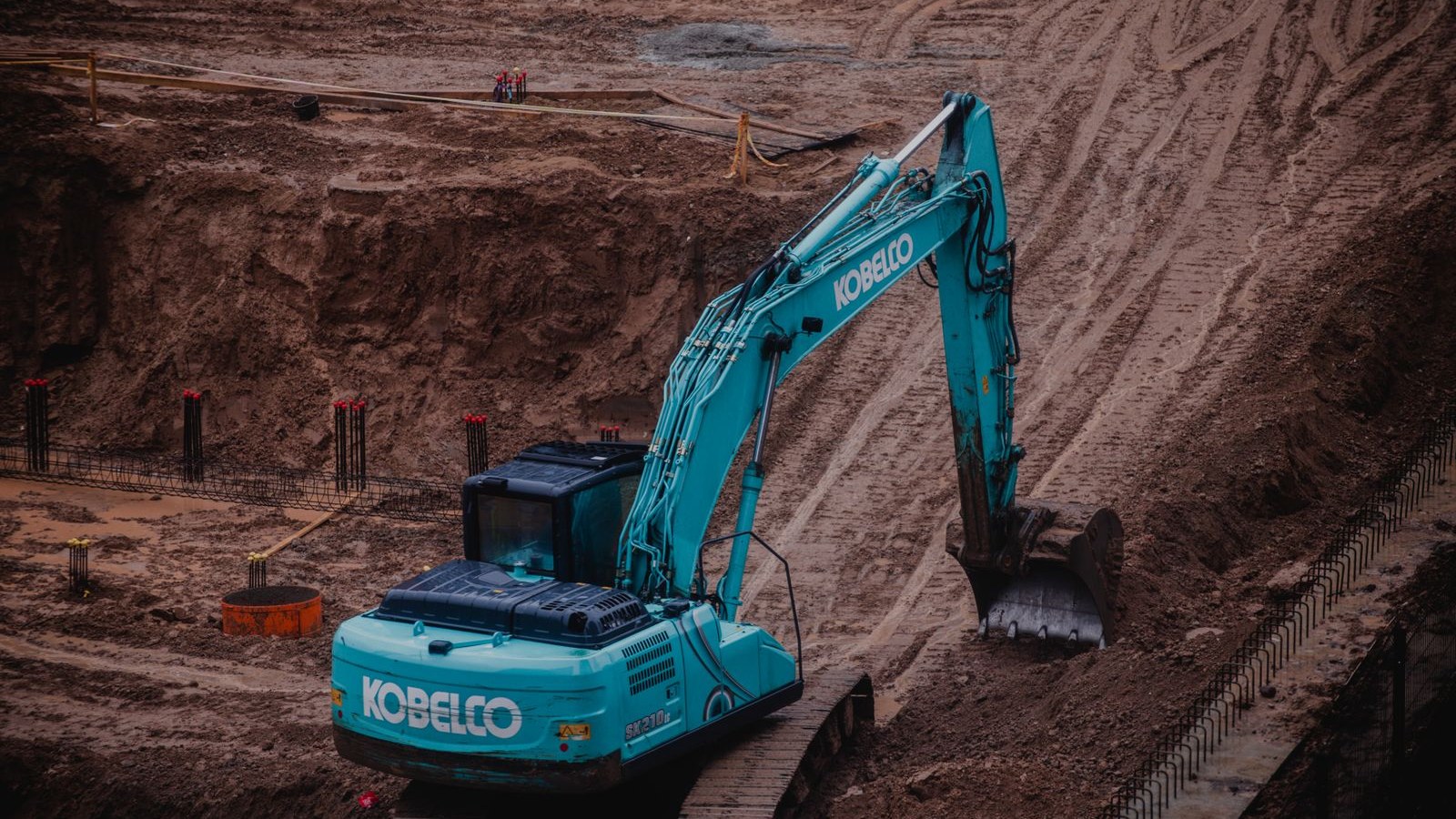
Basement and Foundation Digs in Williamson County: What "Square and to Spec" Means for Your Builder’s Schedule
Your builder gave you a start date. Framing crews are booked, the concrete sub is holding a slot, and the whole schedule downstream depends on one thing being right: the hole. If the basement or foundation excavation is off, everything behind it moves — and it moves in the expensive direction.
"Square and to spec" gets said on every job in Williamson County. Here is what it actually means when a machine is in the ground, and why it decides whether your builder starts on time.
What "to spec" means before the bucket moves
A foundation dig is not a hole roughly where the house goes. It is a set of dimensions derived from the engineered plans, and every one of them has a tolerance.
- Depth to bearing. Footings have to sit on undisturbed soil capable of carrying the design load, below frost depth. Digging past that and backfilling to grade is one of the worst outcomes on a residential site — compacted fill under a footing is not the same as native ground, and it will be caught at inspection or, worse, it will not.
- Dimensions and squareness. The excavation is laid out from control points off the survey, with diagonals checked. A basement out of square means the forms do not set clean and the framer inherits the error.
- Over-dig for access. Crews need working room outside the footprint to set forms, apply waterproofing, and install drain tile. Too little and the concrete crew loses days. Too much and you are paying to haul and replace material you did not need to move.
- Bottom condition. The floor of the dig should be flat, clean, and undisturbed. Rutted, wet, or churned-up bottoms have to be corrected before anyone forms footings.
Middle Tennessee ground has two specific personalities
The soil here does not behave like the soil in the training videos, and both of our common conditions affect the schedule.
Clay. Much of Maury, Williamson, and Marshall county ground is clay that holds water and moves with moisture content. Dig it wet and you get a bottom that pumps under a machine and will not support a footing. Sometimes the right call is to wait two days. A contractor who digs anyway to keep a date is handing your builder a problem.
Rock. Limestone is close to the surface across a lot of this region, and it does not care about your plans. A dig that hits ledge partway down means hammering, and hammering is slower and costs more than digging. The honest way to handle this is to talk about it before the contract, not after — what happens if we hit rock, how it gets priced, and how it affects the date.
Anyone who bids a basement in this county without discussing rock is either guessing or planning to have that conversation later, when you have no options.
Drainage is dug, not added later
Basements in Middle Tennessee fail from water more than from anything else, and most of that is decided during excavation.
The dig has to leave room and grade for footing drain tile, the surrounding ground has to be shaped to move water away from the structure, and the backfill has to be the right material placed the right way. Backfilling a foundation with wet clay pushed straight back against a fresh wall is how you get lateral pressure problems and a wall that weeps for the life of the house.
The right sequence — waterproofing, drain tile with proper fall to daylight or to a sump, free-draining backfill against the wall, and finish grade sloping away — costs very little more during excavation and cannot be retrofitted at any reasonable price.
Where schedules actually break
In our experience, the delays come from four places, and none of them are the digging itself:
- Access was not planned. The machine and the haul trucks need a route in that does not destroy the drive or get stuck. On acreage this often means building a temporary access before anything else happens.
- Spoil had nowhere to go. A basement generates a large volume of material. If nobody decided in advance whether it is being stockpiled, used for grading, or hauled off, work stops while that gets settled.
- Utilities were not located. Locates take time and the dig cannot start without them.
- Weather. Non-negotiable in clay. The schedule should have float in it for this, and your excavator should tell you honestly when the ground is not ready.
Every one of these is preventable with a site walk before the start date.
What to ask your excavator before they mobilize
Straightforward questions that separate people who will hit your builder's date from people who will hope to:
- How are you laying out and checking the dig, and will you confirm the elevation against the plans?
- What is your plan if we hit rock, and how is that priced?
- Where is the spoil going?
- How are you handling access and site protection?
- What do you need from the builder before you mobilize, and by when?
Answers to those five questions tell you nearly everything about how the job will go.
Get the hole right and the rest follows
A foundation dig that is square, at correct depth on undisturbed bearing, drained properly, and finished with the spoil and access handled is the cheapest insurance in the entire build. It is also invisible when it is done well — nobody thanks the excavator for a house that framed on schedule.
Aurora Excavators works with builders and property owners across Williamson, Maury, and Marshall counties on basement and foundation excavation, pad prep, and finish grading. You will talk to the person running the machine, you will get straight pricing including how rock is handled, and you will get a date we intend to keep. Reach out and let's look at your site before the schedule locks in.